
Common gene variants change how a rare cleft palate mutation plays out
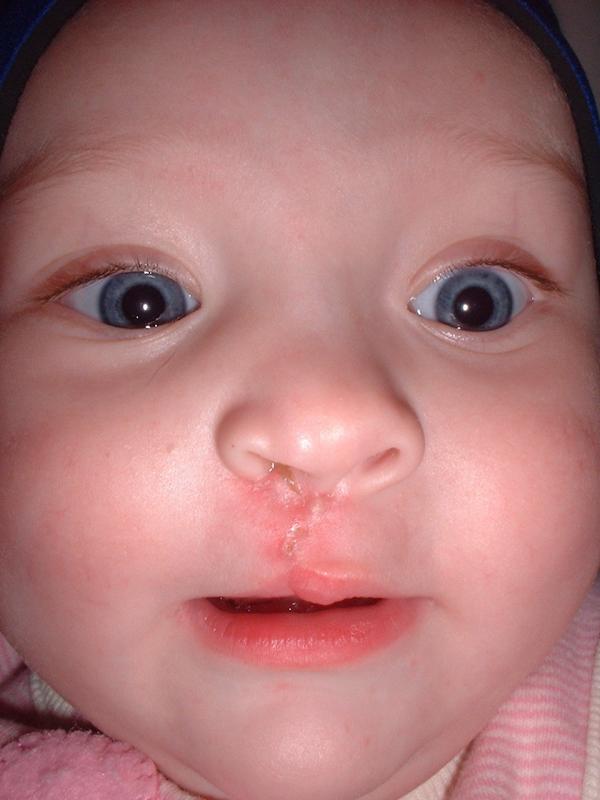
Researchers, including a team at the University of Texas Health Science Center, studied a three-generation family with non-syndromic cleft lip and palate. Whole-genome sequencing, genotyping, polygenic risk score analysis and linkage analysis turned up a rare PDGFRA missense variant (p.R914W) tied to the condition. Family members who carried the variant but showed no cleft had lower polygenic risk scores than those who did. In lab tests the variant lost its signaling activity, and disrupting pdgfra in zebrafish embryos produced unilateral orofacial clefting.
The study, based on cell and zebrafish experiments, backs a model in which common genetic variants modify how a rare mutation plays out.
Written by the Genomes desk from the primary source cited and linked above and checked against it. Research use only; not medical advice. Corrections: [email protected].