Researchers at the Marine Biological Laboratory studied maternal age effects in rotifers, tiny aquatic animals. Postdoctoral scientist Alyssa Liguori found that in two genotypes of the same rotifer species, the effects did not worsen across generations but could reverse within a single generation, suggesting they are not caused by accumulated DNA damage. The lab is now investigating whether histone modifications, an epigenetic mechanism, underlie the observed effects.
The findings, from an invertebrate model, may help explain how maternal age affects offspring in other animals, including humans.
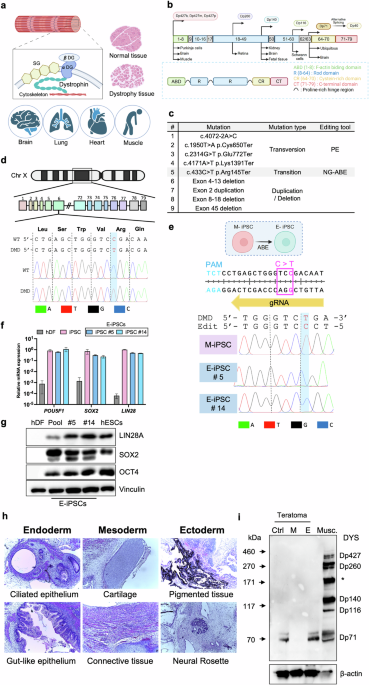
Researchers led by Professor Jongpil Kim and doctoral student Yerim Hwang at the Institute for Stem Cells and Regenerative Medicine, Dongguk University, Seoul, developed an electromagnetic field-responsive gene switch. The system was designed to allow reversible, non-invasive control over when and where a gene is expressed, addressing limits of drug-, light-, heat-, and ultrasound-based switches. The team described the tool as offering more precise temporal and spatial control with fewer adverse effects than prior approaches.
If confirmed in further testing, the tool could offer a safer non-invasive way to control gene expression for research and therapy.
Researchers used a genetically engineered strain of Gluconobacter oxydans (B58, deltapstS, P112:mgdh) to bioleach olivine and enstatite rock at 30 degrees Celsius, as reported in Scientific Reports. Direct contact between the bacteria and mineral improved iron oxidation and leaching over a cell-free biolixiviant, and the bacteria produced oxalic acid that formed solid magnesium oxalate. Mass balance calculations showed the strain leached up to 75 percent of magnesium from the starting rock, but only 11 percent of that leached magnesium converted to magnesium oxalate after 15 days.
The approach could aid engineered carbon dioxide removal, but conversion efficiency remains low and the work needs further study before real-world use.
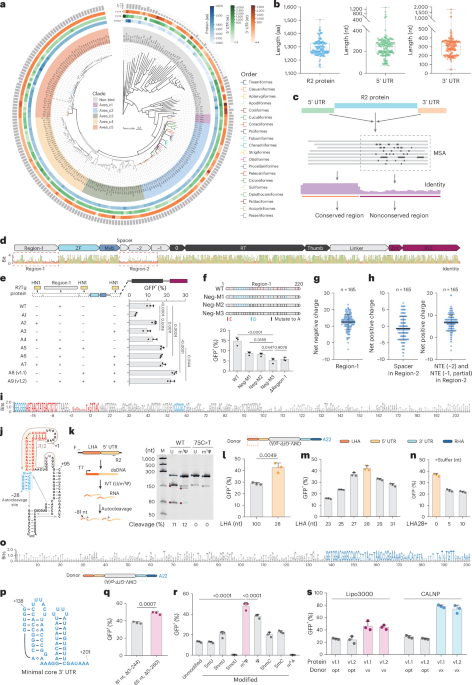
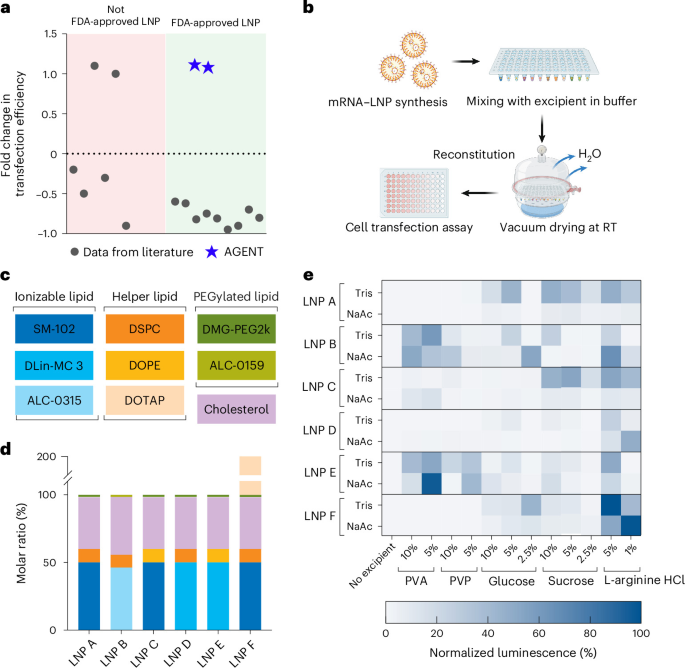
Researchers screened 196,277 viral sequences and identified eleven RNA elements that enhance the stability and translation of base-modified mRNA, published in Nature Biotechnology. The elements recruit the protein TENT4 to extend the poly(A) tail and prevent deadenylation, with five compatible with N1-methylpseudouridine modification. One element, A7, made linear mRNA in mouse liver as stable as circular RNA while producing higher protein levels, with expression sustained for over two weeks.
The stability elements could improve mRNA vaccine and therapeutic design, but this was shown only in mice and cells so far.
Researchers studying Escherichia coli phages T2 and T4 identified contingency loci, hypermutable DNA regions where DNA polymerase slippage on simple sequence repeats causes reversible frameshift mutations. Using experimental evolution and genome sequencing, the study, published in Nature Microbiology, showed these loci generate genomic and phenotypic heterogeneity among phage progeny. The team also found simple sequence repeats widespread across diverse E. coli phage genomes, varying in abundance by gene function.
The findings, from bacterial and phage cultures, describe how phages diversify to evade host defenses, with no stated human health application.
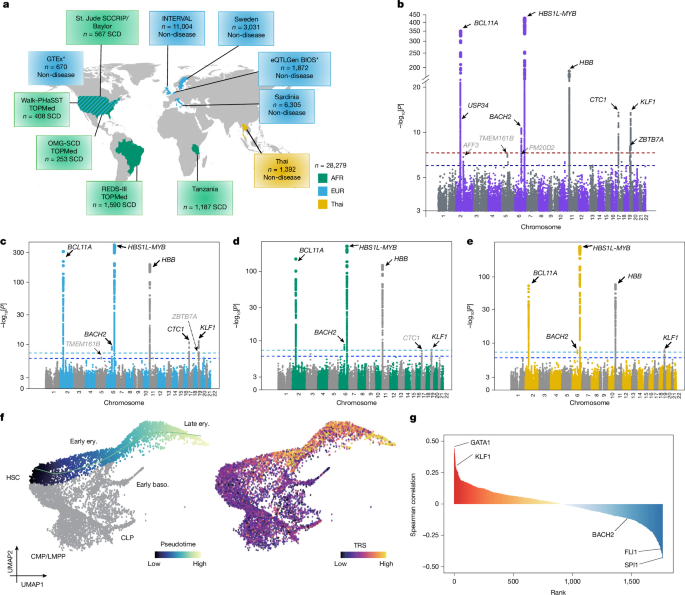
Researchers at Gladstone Institutes found that the gene TBX5 helps physically fold DNA into the 3D architecture heart cells need to function. The study, published in Science, showed that losing one of the two normal copies of TBX5 dismantled this DNA organization, with effects on how many other genes were used by cells. The findings offer a new explanation for why haploinsufficiency in TBX5 causes congenital heart disease.
The work suggests a broader mechanism, disrupted 3D DNA folding, may underlie multiple birth defects caused by losing one gene copy.