
Nature study finds father-daughter pair among 13 Siberian Neanderthals
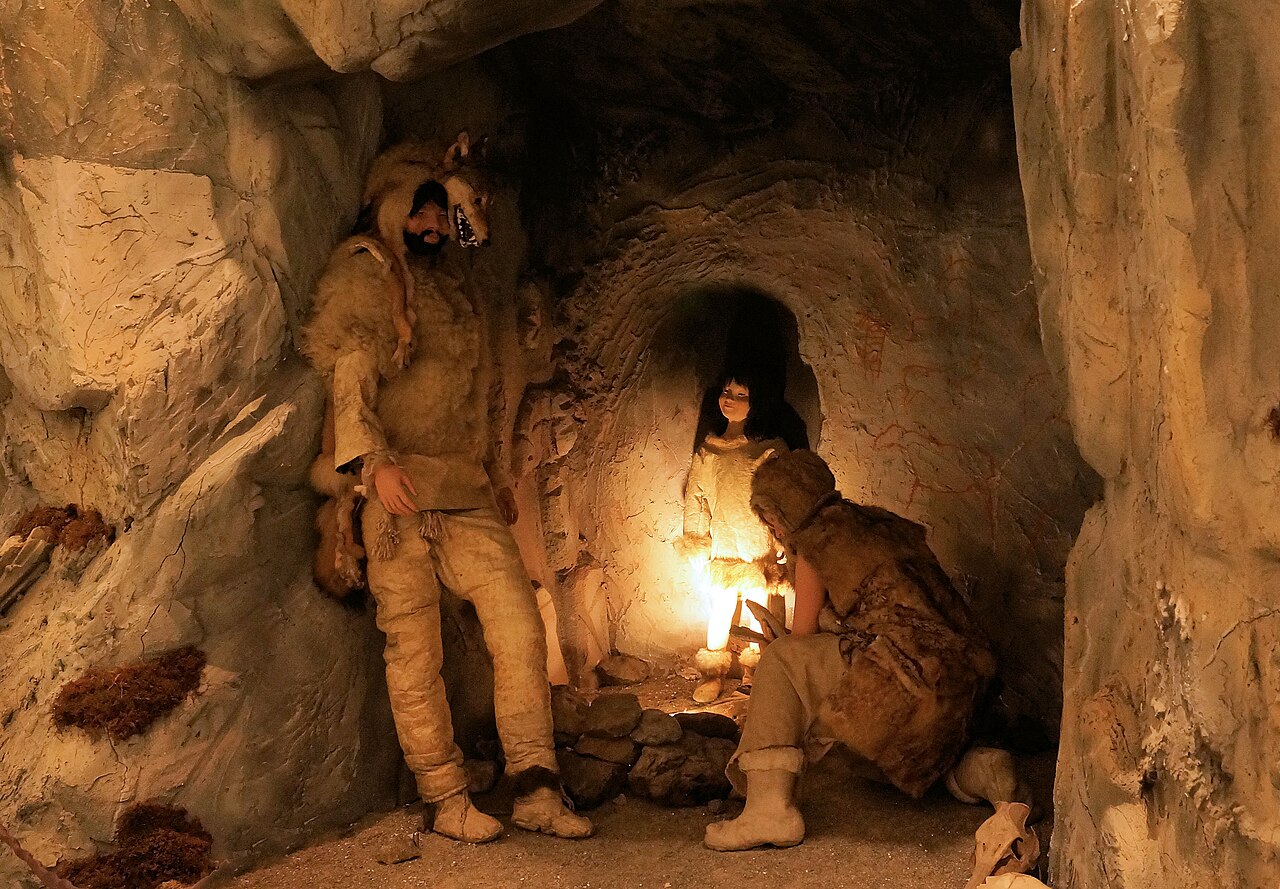
A study published in Nature analyzed genomic data from 13 Neanderthals recovered from two Middle Palaeolithic sites in the Altai Mountains of southern Siberia: 11 from Chagyrskaya Cave and two from Okladnikov Cave. Researchers used hybridization capture to obtain nuclear, mitochondrial, and Y-chromosome sequences from the remains. Among the Chagyrskaya individuals, they identified a father-daughter pair and a pair of second-degree relatives, showing that some of them lived at the same time. Up to one-third of the individuals' genomes carried long stretches of homozygosity, a sign the community was small. Y-chromosome diversity came in an order of magnitude lower than mitochondrial diversity, a pattern the authors say is best explained by female migration between communities.
The data give a detailed look at how an isolated Neanderthal community, at the eastern edge of the species' known range, was organized, including evidence for female movement between groups.
Written by the Genomes desk from the primary source cited and linked above and checked against it. Research use only; not medical advice. Corrections: [email protected].