
Reactivating embryonic ζ-globin rescues mouse model of severe α-thalassemia
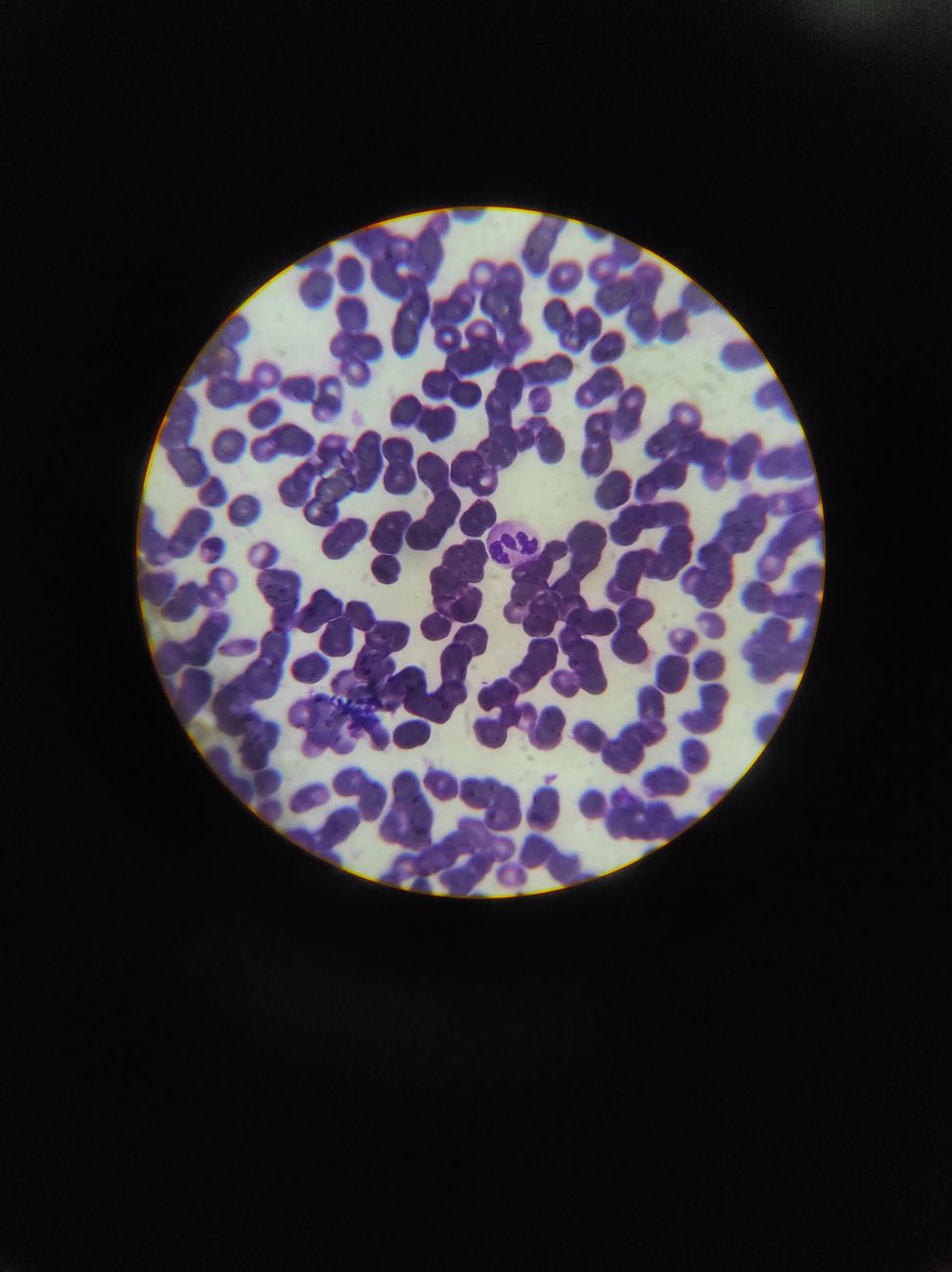
A 2026 study by Liu, Higgs and colleagues showed that gene editing reactivates the silenced embryonic ζ-globin gene and rescues a mouse model of severe α-thalassemia until late development. They first mapped the cis-regulatory elements that keep ζ-globin silent in definitive erythroid cells. In a Hb Bart's hydrops fetalis syndrome model, embryos survived to embryonic day E17.5, a stage normally fatal. Primary erythroid cells taken from patients with HbH disease and BHFS produced ζ-globin at levels higher than those seen in the mouse, reaching amounts described as therapeutic.
The mouse and patient-cell data provide early preclinical evidence that could shape future therapies for individuals with severe HbH disease who rely on transfusions.
Written by the Genomes desk from the primary source cited and linked above and checked against it. Research use only; not medical advice. Corrections: [email protected].