
Editing silencer elements reactivates embryonic ζ-globin in α-thalassemia models
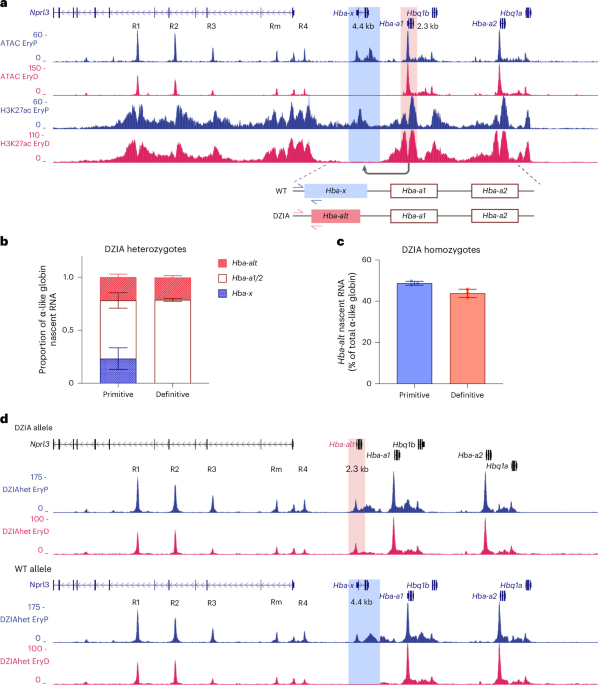
Patients with severe α‑thalassemia , hemoglobin H disease and Hb Bart’s hydrops fetalis syndrome , often need lifelong transfusions or stem‑cell transplants. Liu et al., writing in Nature Genetics, pinpointed cis‑regulatory elements that keep the embryonic ζ‑globin gene silent in definitive erythroid cells. Removing those silencing elements switched on ζ‑globin expression. In a mouse model of Hb Bart’s hydrops fetalis, the edit allowed embryos to survive to day 17.5, past the stage that would otherwise be lethal. When the same strategy was applied to primary erythroid cells taken from patients with both disorders, ζ‑globin reached levels higher than in the mouse, enough to supply therapeutic amounts of α‑like globin.
Because severe hemoglobin H disease and Hb Bart’s hydrops fetalis syndrome force patients into chronic transfusion or transplant, a method that revives ζ‑globin offers a potential route to lessen that burden.
Written by the Genomes desk from the primary source cited and linked above and checked against it. Research use only; not medical advice. Corrections: [email protected].