
Charpentier and Doudna win 2020 Nobel Prize in Chemistry
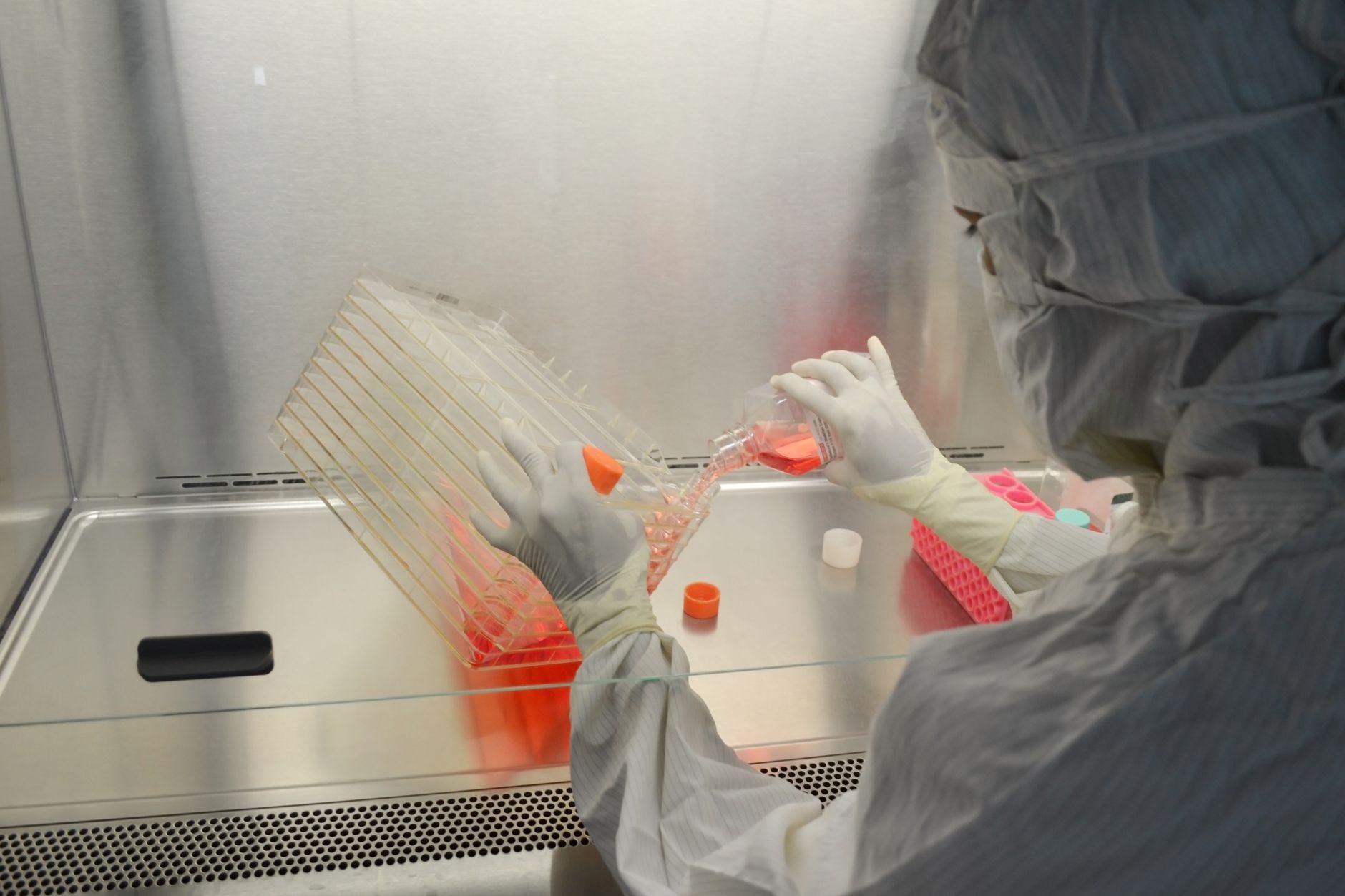
The Royal Swedish Academy of Sciences has awarded the 2020 Nobel Prize in Chemistry to Emmanuelle Charpentier of the Max Planck Unit for the Science of Pathogens and Jennifer A. Doudna of the University of California, Berkeley, for developing a method for genome editing. While studying the bacterium Streptococcus pyogenes, Charpentier discovered a previously unknown molecule called tracrRNA, part of an ancient bacterial immune system that disarms viruses by cleaving their DNA. She published the finding in 2011 and that same year began working with Doudna, a biochemist with deep knowledge of RNA. Together they recreated the bacteria's genetic scissors in a test tube and simplified the components so they were easier to use. The resulting tool, CRISPR/Cas9, lets researchers change the DNA of animals, plants and microorganisms over the course of a few weeks, work that used to be difficult, slow and sometimes impossible.
CRISPR/Cas9 has changed basic biology by making genome editing fast and precise. Claes Gustafsson, chair of the Nobel Committee for Chemistry, said the tool has already led to new crops and is expected to produce new medical treatments.
Written by the Genomes desk from the primary source cited and linked above and checked against it. Research use only; not medical advice. Corrections: [email protected].