Base editing cuts cholesterol in monkeys, Nature study finds
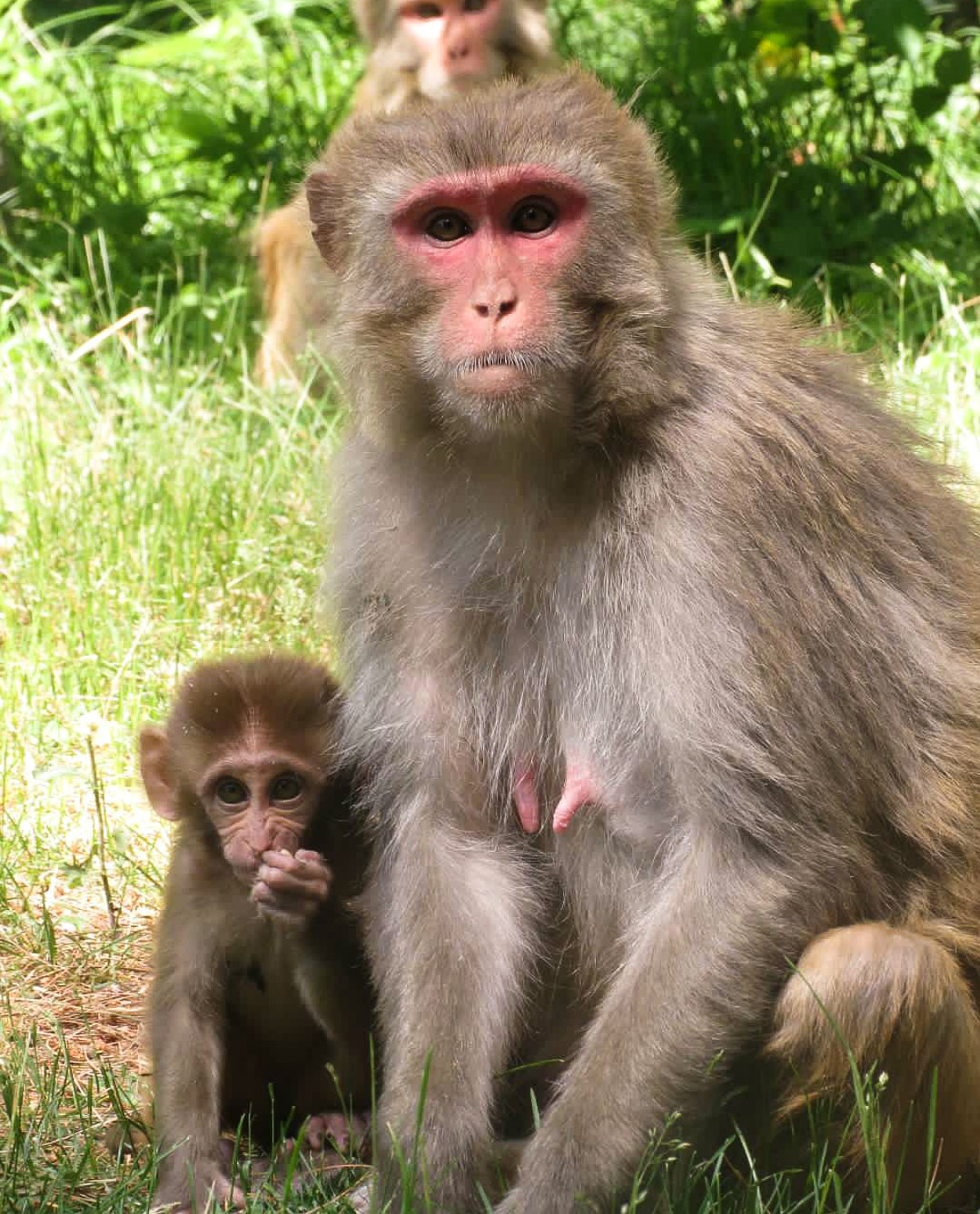
A single infusion did the work. Researchers reported in Nature that CRISPR base editors delivered by lipid nanoparticles knocked down the PCSK9 gene in the livers of cynomolgus monkeys, nearly eliminating it. Blood levels of PCSK9 fell by about 90 percent, and LDL cholesterol dropped by about 60 percent. Both effects held steady for at least eight months after the one-time treatment.
The result gives a proof of concept for using lipid nanoparticle base editors to make single-nucleotide edits to liver genes in nonhuman primates, a step toward testing this approach in patients.
Written by the Genomes desk from the primary source cited and linked above and checked against it. Research use only; not medical advice. Corrections: [email protected].