
Study catalogs loss-of-function variants across 141,456 human genomes
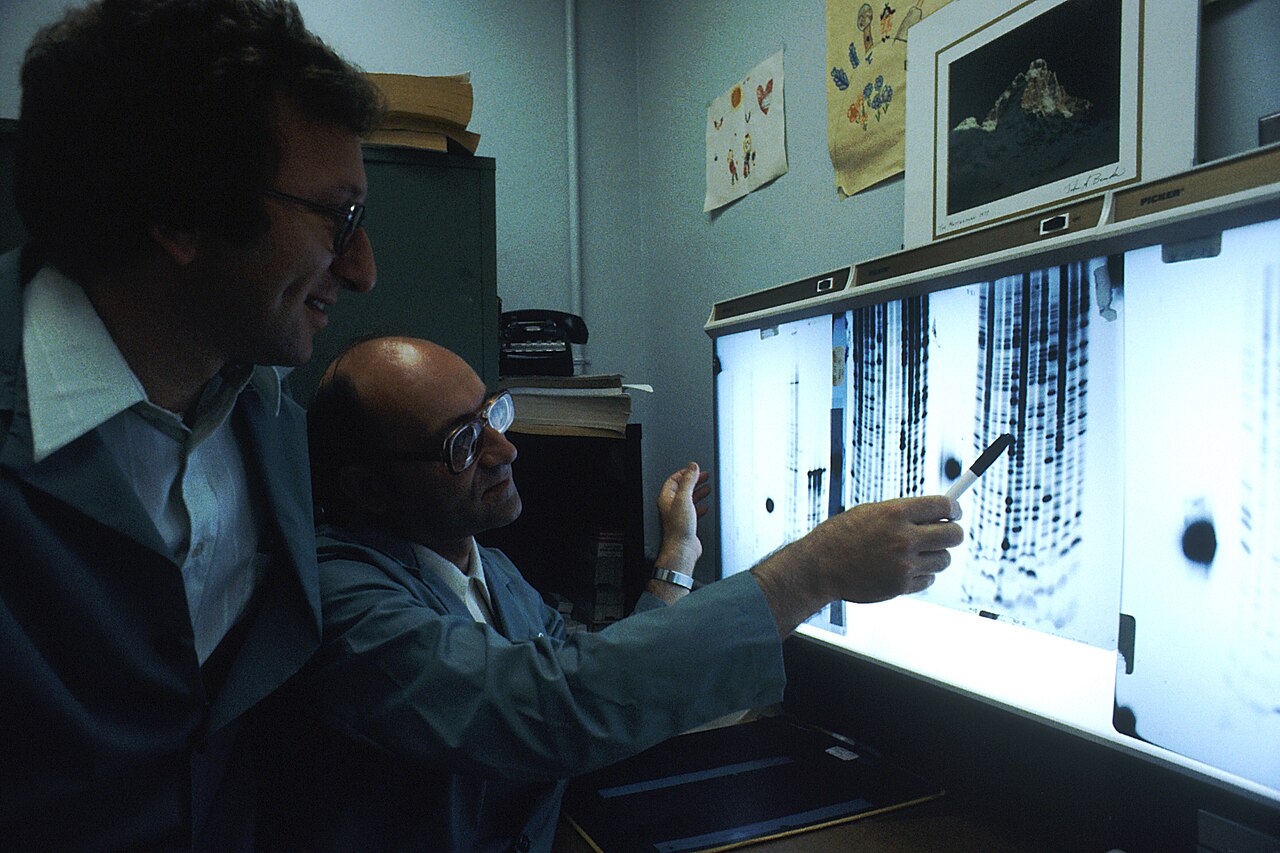
Researchers pulled sequencing data from 125,748 exomes and 15,708 whole genomes into the Genome Aggregation Database, according to a study published in Nature. After filtering out sequencing and annotation errors, the team identified 443,769 high-confidence predicted loss of function variants. They then used an updated mutation rate model to classify human protein coding genes along a spectrum of tolerance to gene inactivation.
Measuring how much mutation each gene can tolerate could help researchers find genes tied to both rare and common diseases.
Written by the Genomes desk from the primary source cited and linked above and checked against it. Research use only; not medical advice. Corrections: [email protected].