
Euchromatin folds into dense clumps, not open strands, study finds
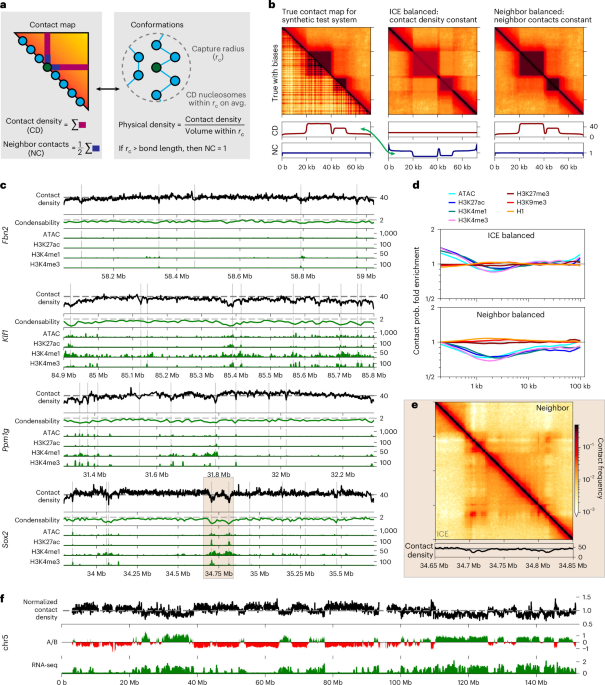
Euchromatin bunches into condensed domains rather than staying uniformly open, researchers report in Nature Genetics. The team built computer simulations that combined micro-C contact maps with imaging data from mouse embryonic stem cells and human cell lines. The resulting structures reached densities similar to heterochromatin domains, though the euchromatin domains stayed smaller. Kilobase-scale promoter and enhancer regions stuck out from these compact clumps, the authors found, and stayed accessible so they could bind proteins and communicate with each other.
The findings give researchers studying gene regulation a physical picture of how transcription factors reach regulatory DNA inside compacted chromatin.
Written by the Genomes desk from the primary source cited and linked above and checked against it. Research use only; not medical advice. Corrections: [email protected].