
Human, chimpanzee and bonobo genomes share an ancient population size peak
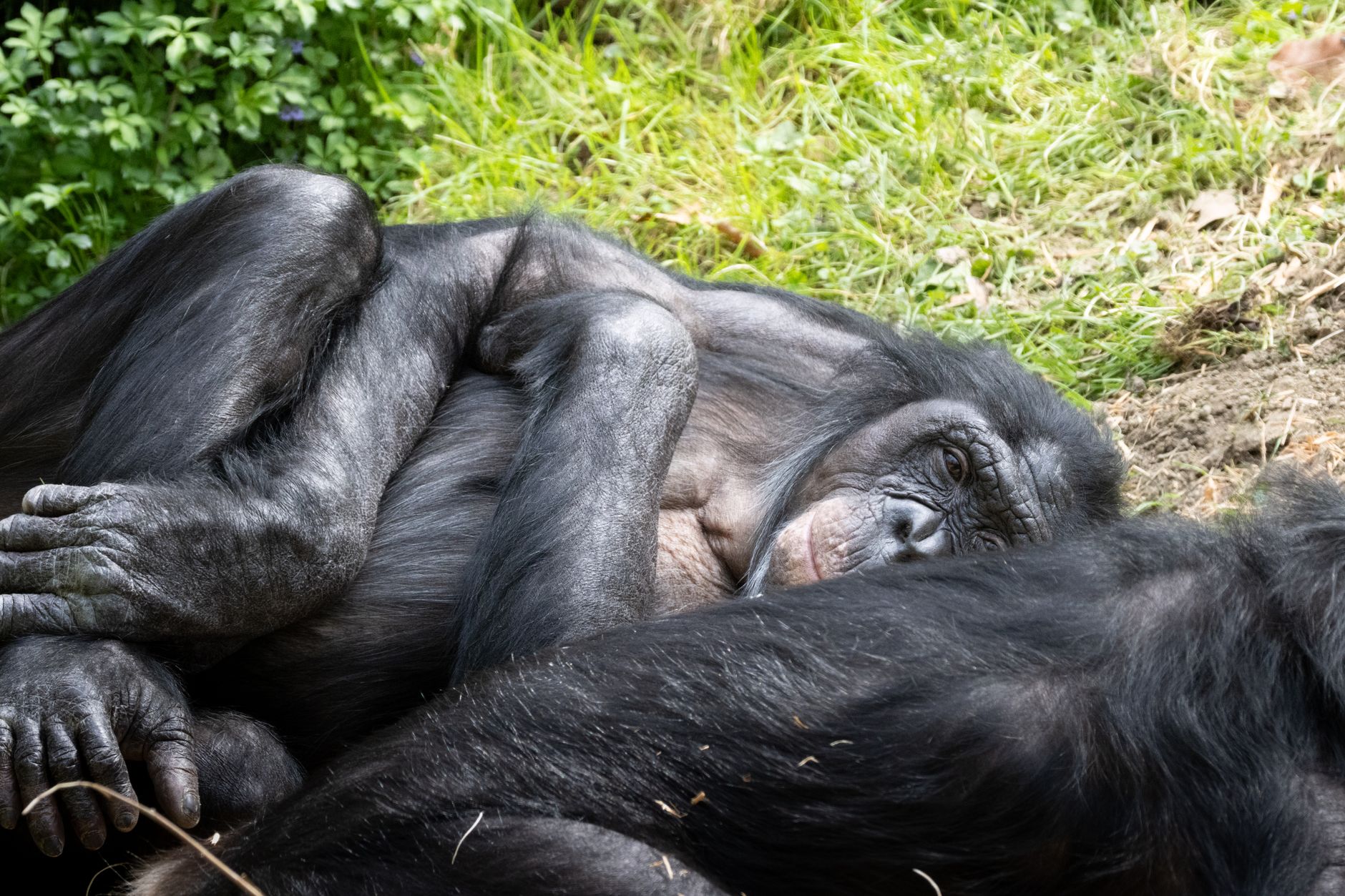
The 2026 study by Cousins, Durbin and Schweiger extends coalescent inference of population size beyond 2 million years ago with telomere-to-telomere genome assemblies. It identifies a peak in human effective population size between 3 and 6 million years ago. Comparable peaks occur in chimpanzees and bonobos, while gorillas and orangutans lack such signals. The authors argue that the pattern is unlikely to result from model artifacts. They propose that a period of complex speciation preceded the final split of Homo and Pan.
Evolutionary geneticists who study the human-chimpanzee split have a new proposed explanation for deep ancestry. The source did not say whether it has been peer reviewed.
Written by the Genomes desk from the primary source cited and linked above and checked against it. Research use only; not medical advice. Corrections: [email protected].